Impact
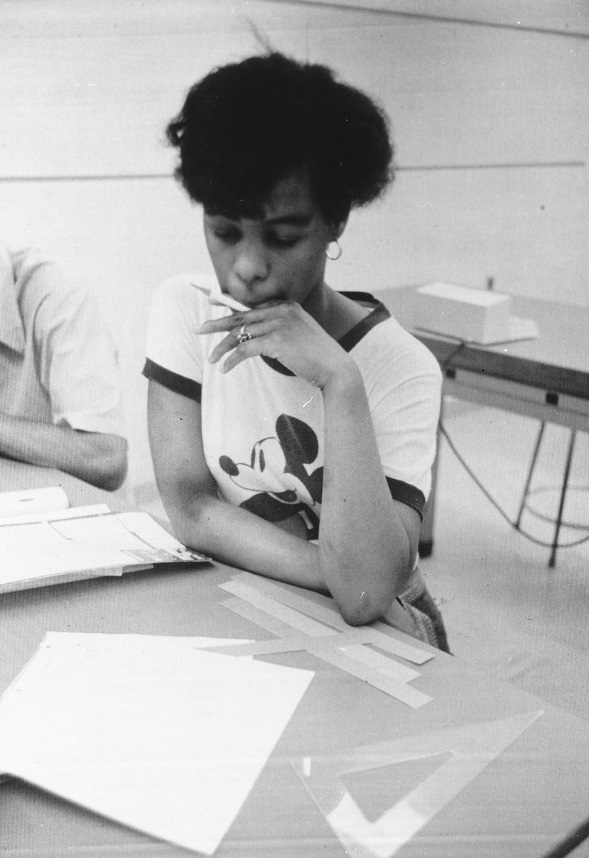
The first cohort was quite successful.
The attrition rate was low. 18 of the original 25 students completed the program, and 9 were admitted to OU’s School of Engineering. The others enrolled in other universities.
Edward Hewlett, a graduate of Detroit’s Northern Senior High School, enrolled at OU in 1974 with a Black Scholarship Award and an OU Student Life Scholarship.
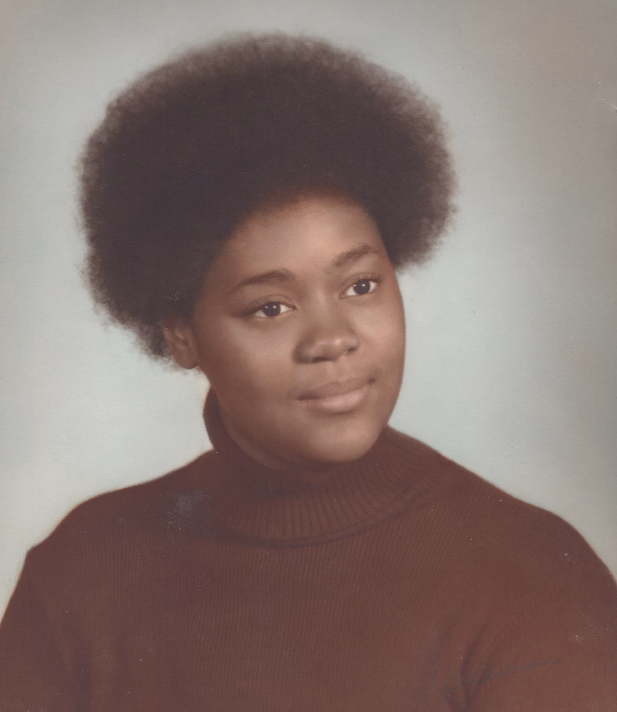
Dawn Wilson, one of only two female students in the charter class, attended Georgia Tech and Tuskegee University and became a mechanical engineer.
Pierson and the professors all noted that the program succeeded in generating and sustaining motivation, interest, and enthusiasm.
Students were encouraged to write about their Cadet Engineering experience and share them. Here are some student comments:
"Thank you for the most wonderful time of my life."
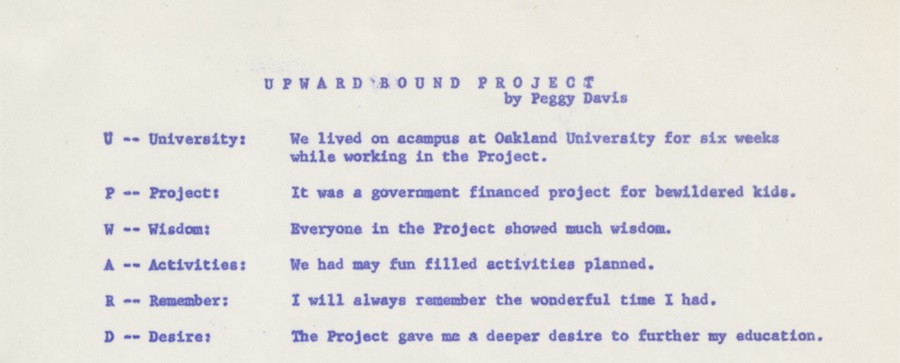
"College is where you go to learn magic."
"College is excitement - of new ideas, books, associates, histories and horizons"

The very conditions of the program's success created long-term challenges.
Both OU and selected students committed themselves to several years of hard work. The goal, for each cohort, was to bring participants to high school graduation and on to higher education.
But it was hard to sustain funding as government support weakened. Lots of resources were needed to maintain the winning features of the program -- a low student-teacher ratio (12 to 1) and the same dedicated professors.
In the long run, the program did little to increase minority enrollment at OU because many of its graduates did not enroll there.
Only about a dozen black students graduated from the Cadet Engineering program between 1975 and 1982 (Report of the Committee on Academic Mission and Priorities of Oakland University, 1982 )
But many went on to successful studies at other institutions, as stated by Provost Kleckner in 1985. The program had ended by then, due to lack of sufficient financial support.